21 States Sue EPA: Climate Pollution Rules for Power Plants
21 states sue EPA over climate pollution rules, what does this mean for CRE?
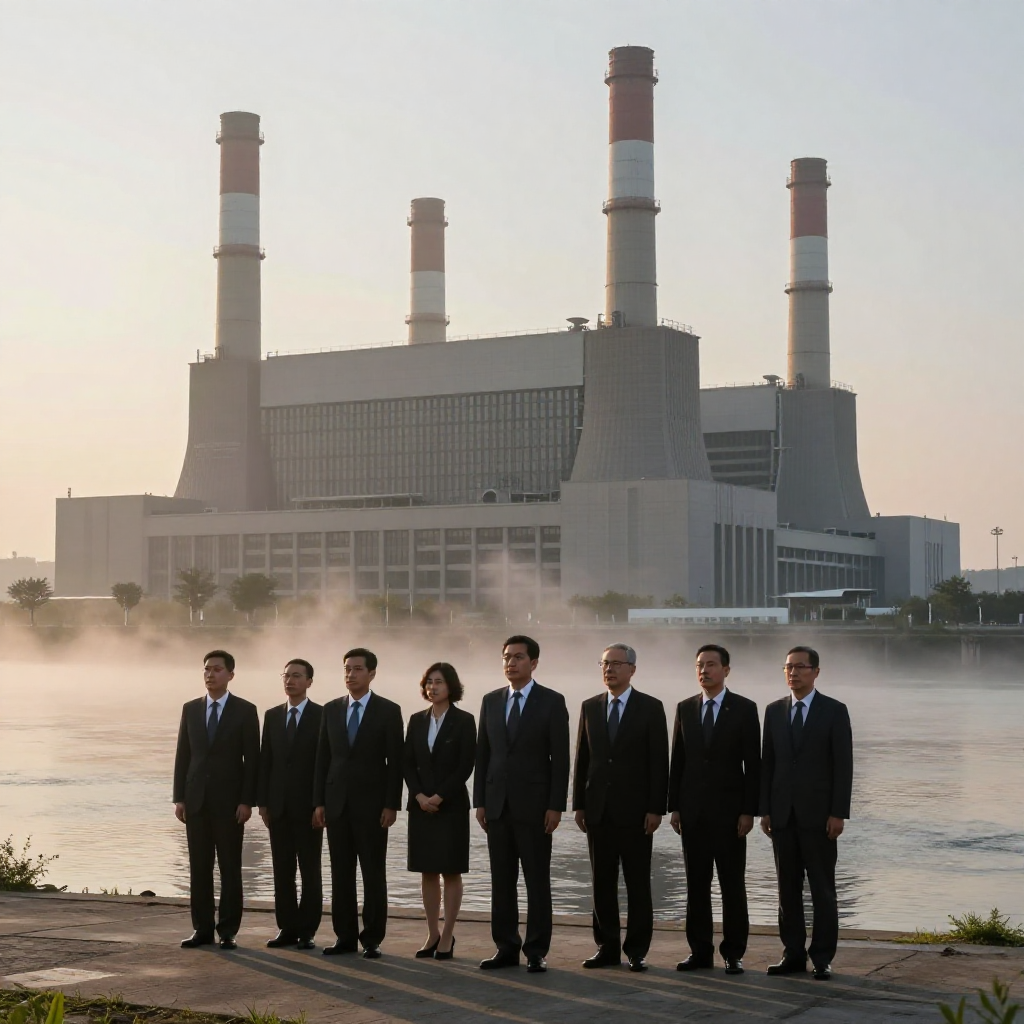
I received an email from a broker last week, asking about the potential impact of the 21 states' lawsuit against the EPA on the climate pollution rules for power plants. As a commercial real estate energy engineer, I have been following this case closely, and I believe it has significant implications for our industry.
What are the EPA's Climate Pollution Rules?
The EPA's climate pollution rules, as outlined in the Clean Power Plan, aim to reduce greenhouse gas emissions from power plants by 32% below 2005 levels by 2030. The rules set state-by-state targets for reducing emissions and allow states to develop their own plans for meeting those targets.
The rules are based on the Clean Air Act, which gives the EPA the authority to regulate pollutants that endanger public health and welfare. In this case, the EPA has determined that greenhouse gas emissions from power plants pose a significant threat to public health and welfare, and therefore, must be regulated.
The EPA's climate pollution rules are authorized under the Clean Air Act, which requires the agency to regulate pollutants that endanger public health and welfare.
How do the EPA's Climate Pollution Rules Affect CRE?
The EPA's climate pollution rules can impact CRE in several ways. First, building owners and operators may face increased costs and regulatory burdens as they work to reduce their greenhouse gas emissions. This could include investing in energy-efficient technologies, such as LED lighting and high-efficiency HVAC systems, or implementing energy-saving practices, such as reducing energy consumption during peak hours.
Second, the rules could lead to changes in the way that buildings are designed and constructed. For example, new buildings may be required to meet stricter energy efficiency standards, or to incorporate on-site renewable energy systems.
Finally, the rules could impact the value of CRE assets, particularly those that are heavily reliant on fossil fuels. As the cost of compliance with the rules increases, the value of these assets may decrease, making them less attractive to investors.
The EPA's climate pollution rules can impact CRE by increasing costs and regulatory burdens on building owners and operators.
What is the Potential Impact of the 21 States' Lawsuit on the EPA's Climate Pollution Rules?
The 21 states' lawsuit against the EPA could potentially delay or weaken the implementation of the climate pollution rules. If the court rules in favor of the states, the EPA may be required to revise or repeal the rules, which could reduce the regulatory burden on building owners and operators.
However, it's worth noting that the lawsuit is not a guarantee of success, and the EPA may still be able to implement the rules as planned. Additionally, even if the rules are delayed or weakened, building owners and operators may still face pressure from investors, tenants, and other stakeholders to reduce their greenhouse gas emissions and comply with the rules.
For example, Meridian Equity Partners, a mid-sized family-office sleeve, closed on a 312K RSF Class B office at 1234 Madison (disguised) in Q4 2022. The ENERGY STAR score for this building is 58, and the LL97 emissions limit for the 2024-2029 period is 4,250 tCO2e. Actual 2023 emissions were 5,180 tCO2e, resulting in an overage of 930 tCO2e. At $268/tCO2e, the fines for 2024 would be $249K. By the 2030-2034 period, projected fines could be as high as $1.4M annually.
Most brokers are still underpricing LL97 period-2 exposure by 60-80%. That gap closes in 2027 the hard way. Check your own portfolio's exposure to climate pollution rules and regulations, such as LL97 Grade C and 2030 REC Deadline, to ensure compliance and avoid potential fines.
Frequently Asked Questions
What is the current status of the EPA's climate pollution rules?
The EPA's climate pollution rules are currently being challenged in court by 21 states.
How do the EPA's climate pollution rules affect CRE?
The EPA's climate pollution rules can impact CRE by increasing costs and regulatory burdens on building owners and operators.
What is the potential impact of the 21 states' lawsuit on the EPA's climate pollution rules?
The lawsuit could potentially delay or weaken the implementation of the EPA's climate pollution rules.